Summer is in full swing, so chances are you’re spending more time outdoors right now. But with rising temps comes a serious risk of heat-related illness. And it can come on fast, especially if you’re not paying attention.
In this blog, we’ll walk you through what to watch for, how to tell the difference between heat stroke vs heat exhaustion, what to do if symptoms show up, and—most importantly—how to avoid the situation altogether.
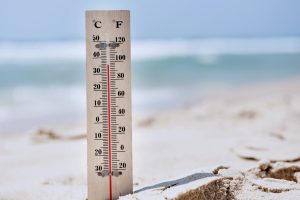
Heat Stroke vs Heat Exhaustion
Both heat stroke and heat exhaustion happen when your body gets too hot, but the severity is what sets them apart.
Heat Exhaustion
This is your body’s early warning system. It’s trying to cool itself down but starting to struggle. You might feel weak, dizzy, or nauseous, but if you catch it early and rest, you can usually recover without serious issues.
Heat Stroke
This is a full-blown emergency. It means your body’s internal cooling system has completely failed. Your temperature can spike dangerously high, and it can lead to confusion, unconsciousness, or even death if not treated right away.
Are heat stroke and cardiac arrest connected? Find out now.
Heat Exhaustion Symptoms vs Heat Stroke Symptoms
Both conditions have clear red flags, and the faster you recognize them, the better the outcome.
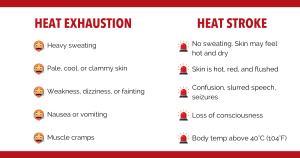
Heat Exhaustion Symptoms
These are the body’s signals that it’s overheating and needs help cooling down:
- Heavy sweating
- Cool, pale, or clammy skin
- Muscle cramps
- Tiredness or weakness
- Dizziness or fainting
- Nausea or vomiting
- Headache
If you notice any of these signs, it’s time to take a break, get out of the heat, and hydrate. Most people recover quickly when they cool down and rest.
Heat Stroke Symptoms
These symptoms are serious. If someone shows signs of heat stroke, call 911 immediately.
- Hot, dry skin (or damp skin that doesn’t sweat)
- Confusion, agitation, or slurred speech
- Seizures
- Loss of consciousness
- High body temperature—over 40°C (104°F)
What to Do If It Happens
Even with the best prevention, things can go sideways fast when it’s hot and people are pushing through without realizing how overheated they’re getting.
Here’s what to do if you spot the signs of heat exhaustion or heat stroke.
If someone shows signs of heat exhaustion…
- Move them to a cooler place. Indoors with A/C is ideal, but even shade under a tree helps.
- Loosen tight clothing. Let the body breathe and cool off.
- Give them water. Small sips—not gulps—are best, as long as they’re alert and not vomiting.
- Cool them down. Use a cool cloth, spray them with water, or fan them.
- Watch closely. If symptoms get worse or don’t improve after 30 minutes, call a healthcare provider or 911.
If someone shows signs of heat stroke…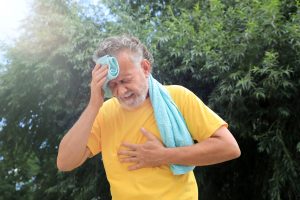
Call 911 immediately. This is a medical emergency.
While you wait for help:
- Move them to a cool area.
- Cool their body down fast. You can use cold cloths, a fan, or if possible, immerse them in cool water (like a bath or shower).
- Do NOT give them anything to drink, especially if they’re confused or unconscious.
- Be ready to do CPR. If they stop breathing or lose consciousness, start CPR right away and use an AED if one is available.
Tips to Avoid Heat-Related Illness
Heat exhaustion and heat stroke are both preventable. Here’s how to keep yourself (and others) safe in the heat:
- Drink water often. Don’t wait until you’re thirsty. By then, you’re already starting to dehydrate. Keep a refillable water bottle with you and sip throughout the day.
- Dress for the heat. Light-coloured, loose-fitting clothes made from breathable fabrics (like cotton or linen) help your body stay cool. And don’t forget a wide-brimmed hat!
- Take breaks in the shade. Step out of the sun regularly to let your body cool down.
- Avoid peak heat hours. Try to schedule outdoor activities for the early morning or later in the evening when it’s not as hot.
- Use fans or air conditioning. Even a few minutes inside a cooler space can help reset your body temperature.
- Check in on others. Young kids, older adults, and people with chronic conditions are more at risk. Pets too!
 Stay Cool, Stay Safe
Heat exhaustion and heat stroke can happen fast. A long walk on a hot day, a soccer game in the sun, or even sitting in a car that’s just too warm can be enough to trigger a serious reaction.
Now that you know the difference between heat stroke vs heat exhaustion, you’ve got the tools to spot the warning signs early, help someone in trouble, and protect yourself from the start.
Stay hydrated, take breaks, and check in with the people around you. Summer should be full of good memories—not emergencies.
Want to take your safety skills to the next level this summer? Now’s a great time to look into first aid training! Explore our first aid courses or contact us to learn more.